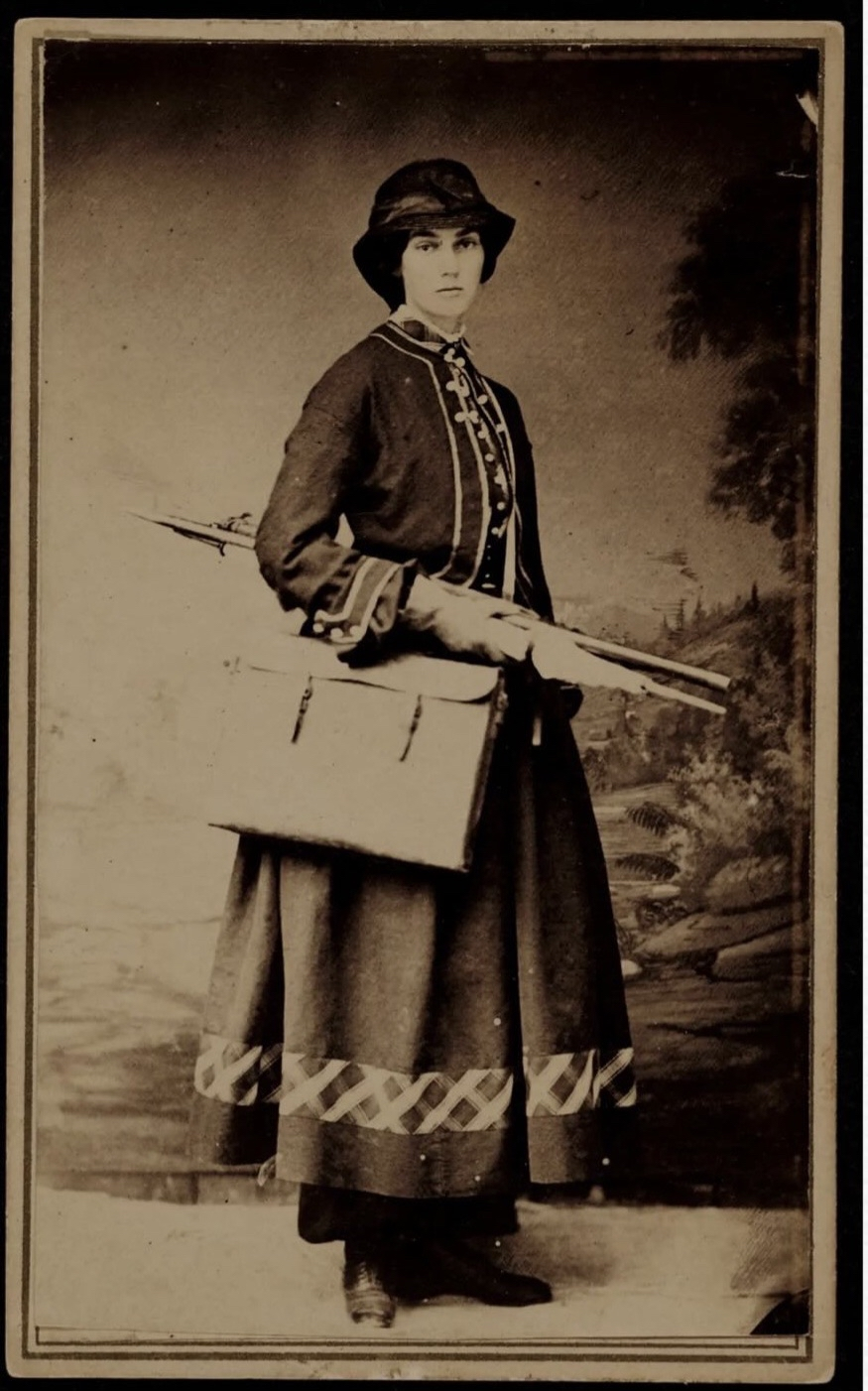
Biography
Fidelia Bridges was an American artist of the late 19th century. She was known for delicately detailed paintings that captured flowers, plants, butterflies and birds in their natural settings.
Archive beta: biographies are source-linked; map, timeline, context, date, and coordinate metadata may be approximate or under review.
What this means
Reviewed items have a source behind them. Approximate items are useful context, not final proof. Needs source and beta review labels mark places where the archive is still checking the trail.
Fidelia Bridges was an American artist of the late 19th century. She was known for delicately detailed paintings that captured flowers, plants, butterflies and birds in their natural settings. Although she began as an oil painter, she later gained a reputation as an expert in watercolor painting
At the height of her career, her work was being compared to Winslow Homer’s, one of the most famous American painters at the time; some even regarded it as superior. Henry James, said of her paintings that they were “infinitely finer and more intellectual” than Homer’s. A close observer of nature and an admirer of Asian art and design, she turned scenes of local flora, birds and butterflies into graceful, affecting compositions. In 1873, Fidelia was elected an associate member of the National Academy of Design, the second woman artist alive at the time to earn that distinction.
In addition to bringing people joy, Fidelia used her art to promote conservation. In the 1880s and ’90s, bird feathers became a ridiculous must-have adornment for the elaborate hats that fashionable women wore (no Aritzia). By 1886, it was estimated that five million birds were killed annually. Fidelia was outraged by the trend. She protested it not only by refusing to wear such hats, but also by illustrating a series of color-plate volumes evoking the majesty of birds through poetry and art. Books like “Winged Flower-Lovers,” published in 1888 with poems were celebrated in the press and became treasured possessions that women displayed at home and gave as gifts.
Fidelia’s efforts contributed to a new appreciation of birds and to the emergence of bird watching as a hobby. In 1918, the federal Migratory Bird Treaty Act was passed, prohibiting the harming of almost all native birds. Fidelia painted well into her 80s, until she could no longer hold a brush.
- Lifespan
- 1834-1923
- Nationality
- American
- Occupations
- Artist, Illustrator
- Era
- 19th Century
- Born
- 1834 Needs source
- Died
- 1923 Needs source
- Tags
- American, 19th Century, Artist, Illustrator
- Themes
- Arts and Culture, Global History