Biography
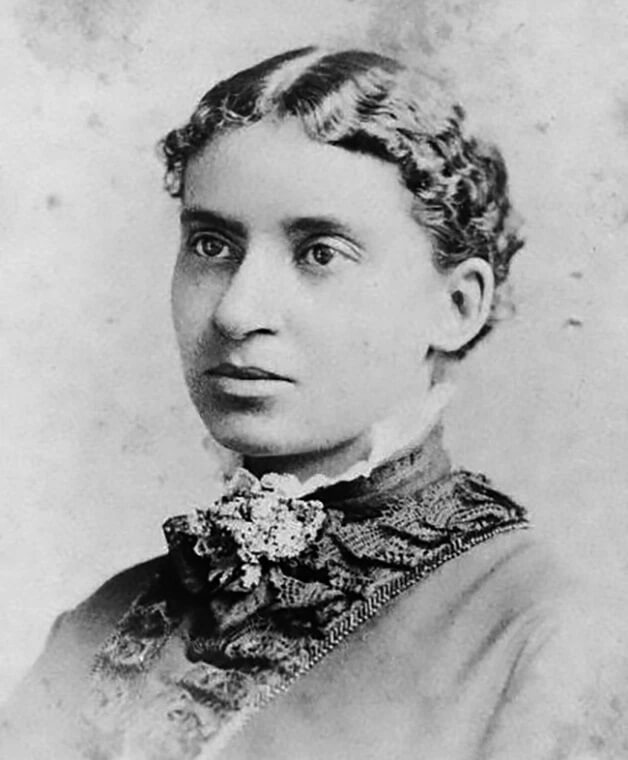
Maria W. Stewart was an American writer, lecturer, teacher, and activist from Hartford, Connecticut.
Archive beta: biographies are source-linked; map, timeline, context, date, and coordinate metadata may be approximate or under review.
What this means
Reviewed items have a source behind them. Approximate items are useful context, not final proof. Needs source and beta review labels mark places where the archive is still checking the trail.
Maria W. Stewart was an American writer, lecturer, teacher, and activist from Hartford, Connecticut. She is widely recognized as one of the first women in the United States to speak publicly about abolition and women’s rights, breaking barriers for both Black and female voices in the early 19th century. She was the first Black woman to publicly address other women, using essays and lectures in the 1830s to champion their rights and challenge oppression.
She argued for equal opportunity for Black Americans, especially women, urging them to educate themselves, “to promote and patronize each other” and, even more, “to sue for your rights and privileges.” Maria was one of the very first writers to express what we would now call feminism. Orphaned at age 5, Maria was sent to a clergyman’s family, where she spent 10 years as a domestic servant, studying books in the family’s library during her free time. After her service ended, she moved to Boston, where she absorbed newspapers, pamphlets, broadsides, sermons and speeches. “My soul thirsted for knowledge,” she wrote, and this intense practice of self-education led her to become a writer.
Stewart began a second career as a public speaker and attracted paying audiences that were racially mixed and included both men and women. She used her platform to address domestic and global political issues: She denounced abolitionists who favored a gradual end to slavery and called out the hypocrisy of America’s leaders for supporting Europe’s independence revolutions while refusing to acknowledge the singular uprising in Haiti that in 1804 established a republic under Black self-rule.
In 1833, Stewart moved to New York to work as a public school teacher, eventually rising to assistant principal of Colored School No. 3 in the Williamsburg section of Brooklyn. Though she had never received a formal education, she taught reading, writing, spelling, arithmetic, geography and grammar. In the early 1860s, Stewart moved to Washington, where she opened her own school. It attracted prominent members of the Black community who paid tuition, yet she also welcomed those who couldn’t afford it free of charge. In her last job she worked as a matron at what is now Howard University Hospital, which provided aid to formerly enslaved people and their families.
Maria’s courage and profound influence inspired later activists, with her command of sophisticated oratory techniques and the use of powerful and affecting rhythms. Waters, her biographer, credits Stewart with laying the groundwork for today’s conversations around intersectionality with her pioneering writings on race, gender and class.
- Lifespan
- 1803-1879
- Nationality
- American
- Occupations
- Writer, Lecturer, Abolitionist
- Era
- 19th Century
- Born
- 1803 Needs source
- Died
- 1879 Needs source
- Tags
- American, 19th Century, Writer, Lecturer, Abolitionist
- Themes
- Activism, Writing, Global History