Biography
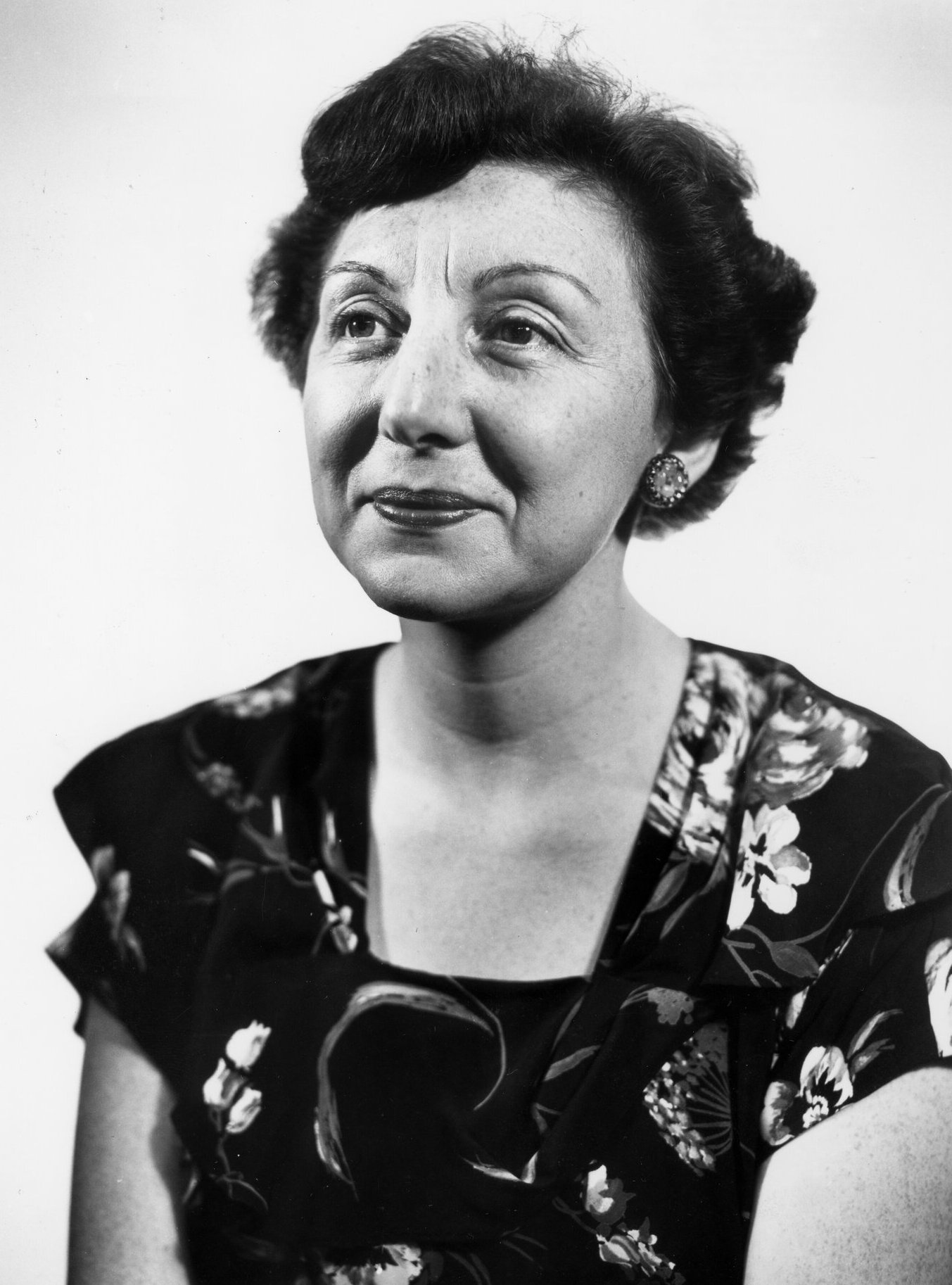
Minnie Hindy "Min" Matheson was a labor organizer for the International Ladies’ Garment Workers Union (I. L.
Archive beta: biographies are source-linked; map, timeline, context, date, and coordinate metadata may be approximate or under review.
What this means
Reviewed items have a source behind them. Approximate items are useful context, not final proof. Needs source and beta review labels mark places where the archive is still checking the trail.
Minnie Hindy “Min” Matheson was a labor organizer for the International Ladies’ Garment Workers Union (I.L.G.W.U.) in northeastern Pennsylvania silk and textile mills who successfully stood up to organized crime. Min was also a founding member of the National Organization for Women. As director of the I.L.G.W.U., she fought for better working wages and conditions while wresting control from the mob. She repeatedly faced down mobsters in her fight for fair wages and safe conditions for women workers. At the time, many apparel producers were moving their operations to PA from New York’s garment district, where wages had risen. The anthracite coal industry that had fueled the region’s economy was in decline, and organized crime played a major role in running the apparel industry, even owning many factories. With men losing their jobs in the mines, the factories offered their wives employment and opportunities to support their families.
Min had huge success as a union organizer beginning in the mid-1940s, when she became head of the I.L.G.W.U.’s northeastern PA region. When Min arrived, only six of the area’s apparel factories and 650 workers were unionized. By the time she left, in 1963, 168 factories with more than 11,000 workers were unionized. At first, many of the factories were dirty, dreary and cramped, with women hunched over sewing machines. The bosses screamed and belittled them and would bar them from going to the bathroom except during sanctioned breaks. Many factories offered low rates per piece and cheated workers by undercounting how many garments they worked on. Min won raises and health benefits, maternity benefits, death benefits and better treatment for the workers. And her union created free evening classes, a mobile health care unit and a scholarship program for workers’ children.
She also sought to shake up the mob-dominated status quo, and the mobsters pushed back, menacingly. She had tense confrontations with them — on the street near the union’s offices, outside factories when she talked to workers, or during strikes. After her father suffered gun shot wounds and her brother stabbed to death by members of the mob, the tragic incidents gave her extra motivation to fight for the union and fight against organized crime. “Everything she did for the union was to elevate women in society.” To help organize workers, Min’s union built strong community ties. It joined charity drives and set up a chorus, a newsletter and a radio show. She took a pragmatic approach, not wanting to drive shops out of business and cause workers to lose their jobs. She saw unions as pivotal to empowering average workers.
Matheson retired in 1972, and she and her husband moved back to northeastern PA that year, arriving several months before Hurricane Agnes destroyed or damaged thousands of homes there. She founded the Flood Victims Action Council, which pushed for disaster relief. She also made national headlines when she confronted George Romney, the U.S. secretary of Housing and Urban Development, at a news conference, shoving a photo of the flood destruction in his face and saying, “You don’t give a damn whether we live or die.” She was a fearless and devoted advocate for women’s rights in the workplace who worked tirelessly to make working conditions better for her community.
- Lifespan
- 1909-1992
- Nationality
- American
- Occupations
- Labor organizer
- Era
- Labor Movement
- Born
- 1909 Reviewed
- Died
- 1992 Reviewed
- Tags
- American, Labor Movement, Labor organizer
- Themes
- Activism, Global History