Biography
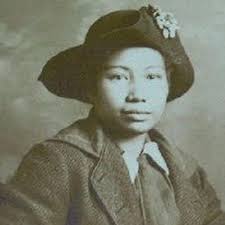
María Orosa e Ylagan was a Filipina food technologist, pharmaceutical chemist, humanitarian, and war heroine. María Orosa pioneered methods of canning and preserving native fruits, intent on making her country self-sufficient in food production.
Archive beta: biographies are source-linked; map, timeline, context, date, and coordinate metadata may be approximate or under review.
What this means
Reviewed items have a source behind them. Approximate items are useful context, not final proof. Needs source and beta review labels mark places where the archive is still checking the trail.
María Orosa e Ylagan was a Filipina food technologist, pharmaceutical chemist, humanitarian, and war heroine. María Orosa pioneered methods of canning and preserving native fruits, intent on making her country self-sufficient in food production.
In 1916, Orosa traveled to the US as a government-sponsored scholar, earning her bachelor’s and master’s degrees in chemistry and pharmaceutical science at the University of Washington in Seattle. She worked in the food laboratory at the university’s School of Pharmacy, experimenting with and testing products to ensure that they met government standards. After graduating, Orosa was offered a job as an assistant chemist for the State of Washington but, as a committed nationalist, she chose to return to the Philippines to help her country become self-sufficient in food production. She joined the government’s Bureau of Science and was soon leading its home economics and food preservation divisions
Orosa was referred to as “an alchemist in the kitchen,” making wines and jellies from native fruits, flour from bananas and cassava, and vinegar from coconuts. She developed local methods of canning fruit, notably frozen mangos, and invented the palayok oven, an earthenware pot widely used for cooking in rural areas without electricity. “She nourished a nation through chemistry and culinary ingenuity.” When Japan invaded and occupied the Philippines in 1941, Orosa joined a resistance movement called Marking’s Guerrillas, holding the rank of captain. She turned her attention to inventing nutrient-dense foods to sustain local fighters.
Her most notable inventions included soyalac, a drink made from soy beans, and darak, rice flour that could be eaten or baked into cookies rich in vitamin B-1, essential in preventing beriberi disease. She also organized a system for smuggling these lifesaving food inventions to detainees in the Santo Tomas Internment Camp, where more than 4,000 civilians, most of them Americans, were held for four years. During the final battle for Manila, Orosa was wounded in the foot by shrapnel and taken to Remedios Hospital, which came under American shelling, and Orosa was one of hundreds who died there, on Feb. 13, 1945. She was 51. Her life was a profound act of devotion to her country, her brilliance and courage unmatched, she fought for her people in their darkest hours, and risked her own life so others might survive.
- Lifespan
- 1893-1945
- Nationality
- Filipina
- Occupations
- Food technologist, Chemist, Humanitarian
- Era
- World War II
- Born
- 1893 Reviewed
- Died
- 1945 Reviewed
- Tags
- Filipina, World War II, Food technologist, Chemist, Humanitarian
- Themes
- Science and Innovation, Power and Resistance, Global History